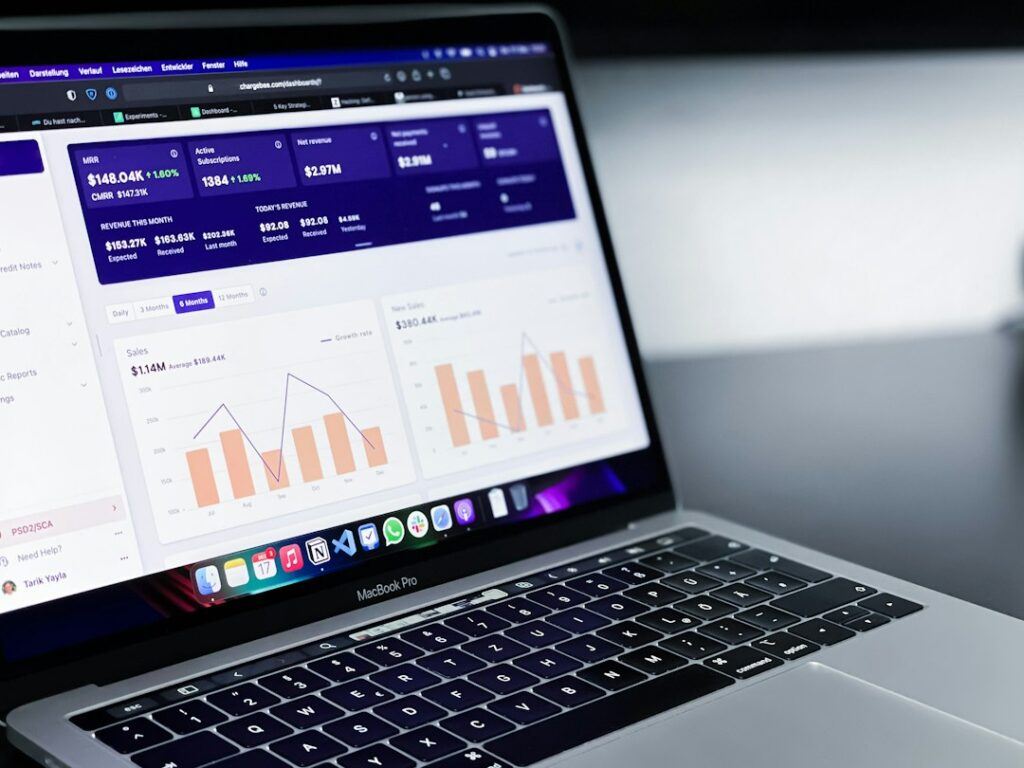
SEO (search engine optimisation) is important for a business because it puts you in front of people at the exact moment they are searching for what you sell. Unlike ads, the traffic does not stop when you stop paying. Done well, SEO lowers your cost per lead over time, builds trust, and gives you a sales channel that keeps compounding for years.
That is the short answer. The longer answer matters more in 2026, because search has changed. AI Overviews, ChatGPT and zero-click results now absorb a large share of searches, and some business owners have started asking whether SEO is still worth the effort. Our SEO team has worked with businesses in Bangladesh, the UK and more than 20 other countries since 2017, and our view is clear: SEO matters more now, not less. What has changed is what good SEO looks like.
Below, we explain what SEO is in plain terms, the seven reasons it matters for a business of any size, how it compares with paid ads, and how to get started without wasting money.
Why SEO matters for business: the 7 reasons at a glance
| Reason | What it means for your business |
|---|---|
| 1. Customers start with search | You are visible when buyers are actively looking |
| 2. Traffic that does not switch off | Rankings keep bringing visitors without paying per click |
| 3. Lower cost per lead over time | Content and rankings are assets that keep paying back |
| 4. Trust and credibility | Ranking well signals that you are an established, relevant business |
| 5. Better website experience | SEO fixes speed, mobile and structure problems that also hurt sales |
| 6. Visibility in AI search | AI answers draw on well-optimised, well-cited websites |
| 7. Competitive advantage | If you are not ranking, a competitor is taking those customers |
What is SEO, in simple terms?
SEO is the work of making your website easier for search engines to find, understand and recommend, so it appears higher in unpaid search results. It covers three areas: the technical health of your site, the content on your pages, and the reputation signals (such as links and reviews) that show other people trust you.
In practice, that breaks down like this:
- Technical SEO: page speed, mobile usability, crawlability, clean URLs, structured data and fixing broken pages.
- On-page SEO and content: pages that clearly answer what your customers search for, with sensible titles, headings and internal links.
- Off-page SEO: backlinks from relevant websites, brand mentions, reviews and, for local businesses, a well-managed Google Business Profile.
Google publishes its own SEO Starter Guide, and its core message has not changed in years: build pages that are genuinely useful to people, and make them easy for Google to access and understand.
1. Why does it matter that customers start with search?
Because search is where buying journeys begin. When someone types “accounting software for small business” or “web design company in Dhaka”, they are telling you exactly what they want. Showing up at that moment is far more valuable than interrupting someone who is scrolling social media for entertainment.
The scale is hard to ignore. Google confirmed in 2025 that it now handles more than 5 trillion searches a year. Some of those are people looking for your product, your service or the problem you solve. SEO is how you claim a share of that demand instead of leaving it to competitors.
Search intent is the key idea here. Someone searching “what is a CRM” is learning. Someone searching “best CRM for real estate agents price” is close to buying. A good SEO strategy targets both: helpful content for early-stage searchers, and strong service or product pages for people ready to act.
2. How does SEO bring traffic that does not switch off?
With paid ads, traffic stops the moment your budget runs out. With SEO, a page that ranks well can keep bringing visitors every day for months or years, without you paying for each click. That is the single biggest difference between the two channels.
Position matters a great deal. Backlinko’s analysis of 4 million Google search results found that the first organic result gets an average click-through rate of 27.6%, and is around 10 times more likely to be clicked than the result in tenth place. Only 0.63% of searchers clicked anything on page two. In other words, moving from page two to the top three can turn a page that gets almost no visitors into one of your best sources of customers.
3. Does SEO really lower your cost per lead?
Yes, over time. SEO has an upfront cost (audits, fixes, content, outreach), but the pages you build keep working after the work is done. As more pages rank, the cost of each lead tends to fall. With paid ads, the cost per click usually rises as competition grows, and you have to keep paying for every visit.
A simple way to think about it: ad spend is rent, SEO is ownership. Rent gets you results quickly and is very useful for testing and launches. Ownership takes longer but builds equity. A well-written service page or guide is a business asset that keeps producing leads, just like a good salesperson who never takes a day off.
This is also why SEO and professional content writing go hand in hand. Each strong article targets a new set of searches, links to your service pages, and adds to the overall authority of your site.
4. Why do higher rankings build trust?
Because most people treat Google’s top results as a recommendation. If your business appears near the top for the services you offer, with good reviews and a clear, professional website, buyers assume you are established and relevant. If they cannot find you at all, many will assume you are small, new or not serious.
Trust also works the other way. Google’s guidance on helpful content puts weight on experience, expertise, authoritativeness and trustworthiness (often shortened to E-E-A-T). That pushes businesses to do things that also reassure customers: real author names, genuine case studies, clear contact details, transparent pricing and honest reviews. Fake testimonials and thin pages hurt you with both Google and human visitors.
5. How does SEO improve your website for customers, not just Google?
Most SEO fixes are also user-experience fixes. A slow site, a confusing menu, broken links or a page that is hard to use on a phone all hurt your rankings, and they also make visitors leave before they contact you or buy. Fixing them improves both search visibility and conversion rate.
Common examples we see on business websites include:
- Pages that take five or more seconds to load on mobile data.
- Service pages with only a few lines of text and no clear call to action.
- Several pages competing for the same keyword, so none of them ranks well.
- Contact forms or buttons that do not work.
- Missing or duplicate page titles, so Google shows something unhelpful in results.
If your site has deeper structural problems, it is often faster to fix them as part of a website redesign than to patch them one by one.
6. Is SEO still important now that AI answers many searches?
Yes, but it has changed. AI Overviews and zero-click results do reduce some clicks, especially for simple informational questions. At the same time, AI tools build their answers from websites that are well structured, clearly written and widely cited. Good SEO is how you become one of those sources.
The numbers are real, and worth being honest about. Ahrefs’ study of 300,000 keywords found that AI Overviews significantly reduce click-through rates for top-ranking pages, and its most recent update put the drop at around 58%. SparkToro data reported by TechWyse suggests about 68% of US Google searches ended without a click in early 2026.
What does that mean for a business? Three things:
- Commercial searches still click. People comparing suppliers, checking prices or booking a service still visit websites. Those are the searches that bring revenue.
- Being cited is the new ranking. Clear, answer-first content with structured data and real expertise is more likely to be quoted in AI answers, which builds brand awareness even without a click.
- Brand searches grow. When people see your name in AI answers and search results, more of them search for you directly later.
We cover these changes in more detail in our guide to SEO trends for 2027.
7. What happens if your competitors invest in SEO and you do not?
They take the customers who would have found you. Search results have limited space, and the businesses at the top get most of the clicks. Every month a competitor publishes useful content and earns links while you do nothing, the gap gets harder and more expensive to close.
The good news is that in many industries, especially in local and regional markets, competitors are not doing SEO particularly well. A business that fixes its technical basics, publishes genuinely helpful content and manages its reviews can often overtake larger companies for valuable searches.
SEO vs paid ads: which is better for a business?
Neither is better on its own. Paid ads are better for fast results, short campaigns and testing offers. SEO is better for long-term, lower-cost growth and trust. Most growing businesses use both: ads to generate sales now, SEO to reduce their reliance on ad spend over time.
| Factor | SEO | Paid ads (Google, Meta) |
|---|---|---|
| Speed of results | Usually 3–6 months to see meaningful gains | Same day once campaigns are approved |
| Cost model | Upfront and ongoing work, no fee per click | Pay for every click or impression |
| When you stop paying | Rankings and traffic usually continue for a while | Traffic stops almost immediately |
| Trust with buyers | High, organic results feel earned | Lower, many people skip ads |
| Best for | Long-term growth, authority, lower cost per lead | Launches, promotions, testing, quick wins |
For a wider view of how search, ads and AI fit together, see our article on digital marketing trends for 2027.
Why is local SEO important for small businesses?
Because many customers search for businesses near them, such as “dentist near me” or “IT company in Gulshan”. Local SEO helps you appear in the Google Maps results and the local pack at the top of the page, which is often where small businesses win most of their calls, visits and enquiries.
The foundation of local SEO is a complete, verified Google Business Profile with the right category, accurate address and phone number, real photos, and a steady flow of genuine reviews. If you run a business in Bangladesh, our step-by-step guide to local SEO for Dhaka businesses covers address formatting, verification and Bangla business names in detail.
How should a business get started with SEO?
Start with an audit, fix the technical problems that block rankings, then build content around the searches your customers actually make. Track results in Google Search Console and improve what is working. Consistency matters more than any single tactic.
- Audit your website. Find technical errors, slow pages, duplicate content and pages with no clear purpose.
- Set up tracking. Connect Google Search Console and analytics so you can see which searches bring visitors and which pages convert.
- Research keywords by intent. List the services you sell and the questions customers ask before buying.
- Strengthen your money pages. Give each service or product page clear copy, proof, pricing guidance and one obvious call to action.
- Publish helpful content regularly. Answer real customer questions in plain language, and link those articles to your service pages.
- Earn trust signals. Collect genuine reviews, get listed in relevant directories, and build links from industry and local websites.
- Review every month. Double down on pages that are climbing, and fix or merge the ones that are not.
If you are not sure where your website stands, our free SEO audit is a sensible first step. We will show you the issues holding your site back and which fixes will make the biggest difference.
Frequently asked questions about SEO for business
How long does SEO take to work?
Most businesses see early improvements within 3 to 6 months, and stronger results after 6 to 12 months. Timelines depend on your website’s current health, how competitive your industry is, and how consistently you publish content and build authority. Technical fixes can show results faster than new content.
Is SEO worth it for a small business?
Yes, especially for local and niche businesses. Small businesses often compete for fewer, more specific searches, which makes ranking more achievable. A well-optimised Google Business Profile and a handful of strong service pages can bring a steady flow of enquiries without a large ad budget.
How much does SEO cost?
Costs vary widely depending on the size of your website, your market and how much content and link building you need. Small local campaigns cost far less than national or international ones. Be cautious of very cheap packages that promise guaranteed rankings, as no one can guarantee a position in Google.
Can I do SEO myself?
You can handle the basics yourself: claim your Google Business Profile, write clear page titles, publish helpful content and ask happy customers for reviews. Technical SEO, competitive keyword strategy and link building usually benefit from specialist help, particularly in competitive markets.
Is SEO dead because of AI search?
No. AI search has changed how people find information, but AI tools still rely on websites as their sources. Businesses with clear, trustworthy, well-structured content are more likely to be cited in AI answers and to keep winning clicks from commercial searches.
The bottom line
SEO is important for a business because it turns your website into a long-term source of customers rather than a digital brochure. It meets buyers when they are actively searching, builds trust, lowers your reliance on paid ads, and now also shapes whether AI tools mention you at all. The businesses that start now, and stay consistent, are the ones that will own their search results in the years ahead.
Want to know how your website is performing in search? Talk to the Softwix team or request a free SEO audit today.

Part of the Softwix team — helping businesses grow through SEO, marketing and better websites.